Shifts in Player Acquisition Tactics Across Blended Sports and Casino Digital Offerings
Eden Hughes · Jul 19, 2026
Shifts in Player Acquisition Tactics Across Blended Sports and Casino Digital Offerings
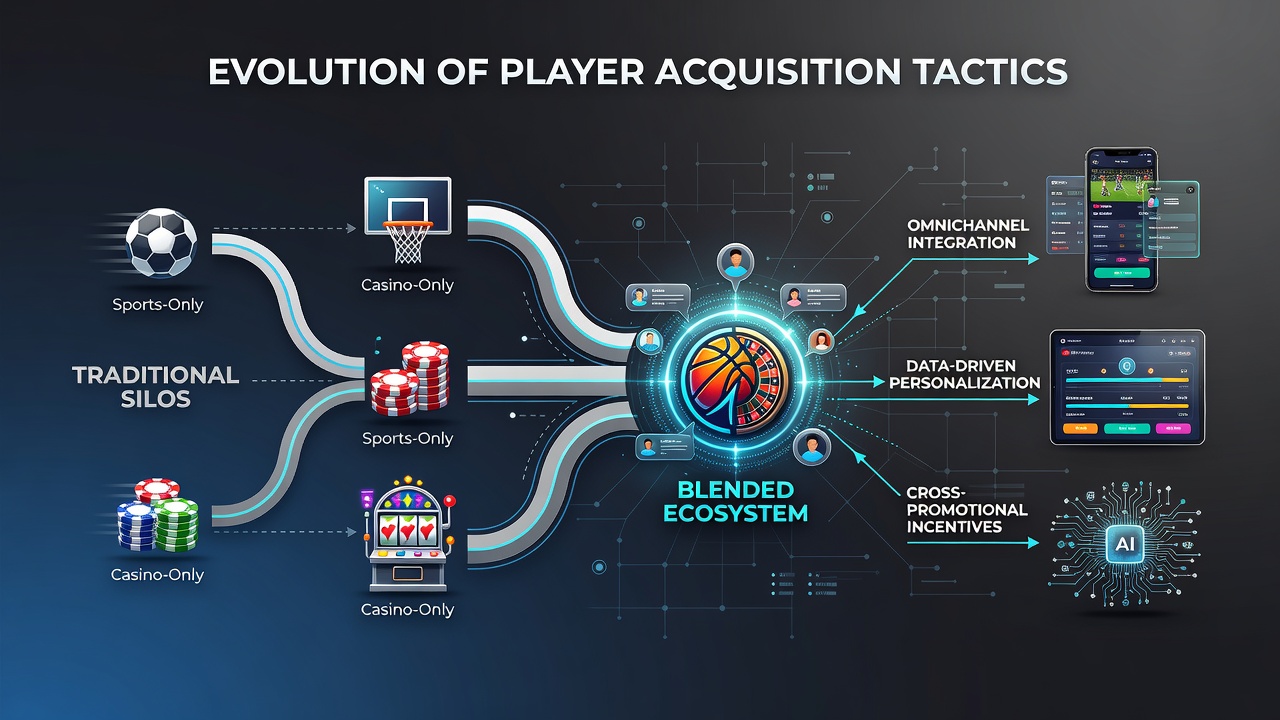
Operators in the digital gaming sector have adjusted player acquisition methods as platforms combine sports wagering wth casino products like slots and live tables, and these changes accelerated through mid-2026 when mobile traffic surpassed traditional desktop channels in multiple markets. Research from the Nevada Gaming Control Board shows integrated offerings now account for over 60 percent of new registrations in states where both verticals operate under single licenses, prompting companies to move beyond separate marketing funnels toward unified entry points that link welcome bonuses across event predictions and reel spins.
Data Analytics Drive Targeted Onboarding
Companies rely on behavioral tracking to segment users from the first interaction, and this approach replaced broad advertising campaigns that once dominated acquisition budgets. Figures from H2 Gambling Capital indicate operators reduced cost-per-acquisition by 22 percent between 2024 and 2026 when they applied predictive models that matched sports enthusiasts with casino rewards based on deposit patterns and session duration. Those who've studied these systems note the shift allows real-time adjustments during onboarding, such as offering live betting credits that convert into free spins after a minimum number of wagers on athletic events.
Platforms now embed cross-vertical triggers into registration flows, where a user who places an initial sports stake receives immediate access to table game promotions calibrated to their risk profile. This method builds engagement without requiring separate sign-ups, and analysts at the University of Nevada, Las Vegas International Gaming Institute documented higher retention rates when these triggers activate within the first 48 hours of account creation.
Payment Integration as an Acquisition Tool
Flexible transaction options emerged as key differentiators in blended environments, since players expect seamless movement between funding sports accounts and casino wallets. Data collected through July 2026 reveals that platforms supporting instant crypto conversions and multi-currency e-wallets captured 35 percent more first deposits than those limited to traditional banking rails, according to reports issued by the Malta Gaming Authority. Operators therefore promote these pathways during acquisition messaging, highlighting how a single deposit unlocks both match forecasts and dealer-led experiences.
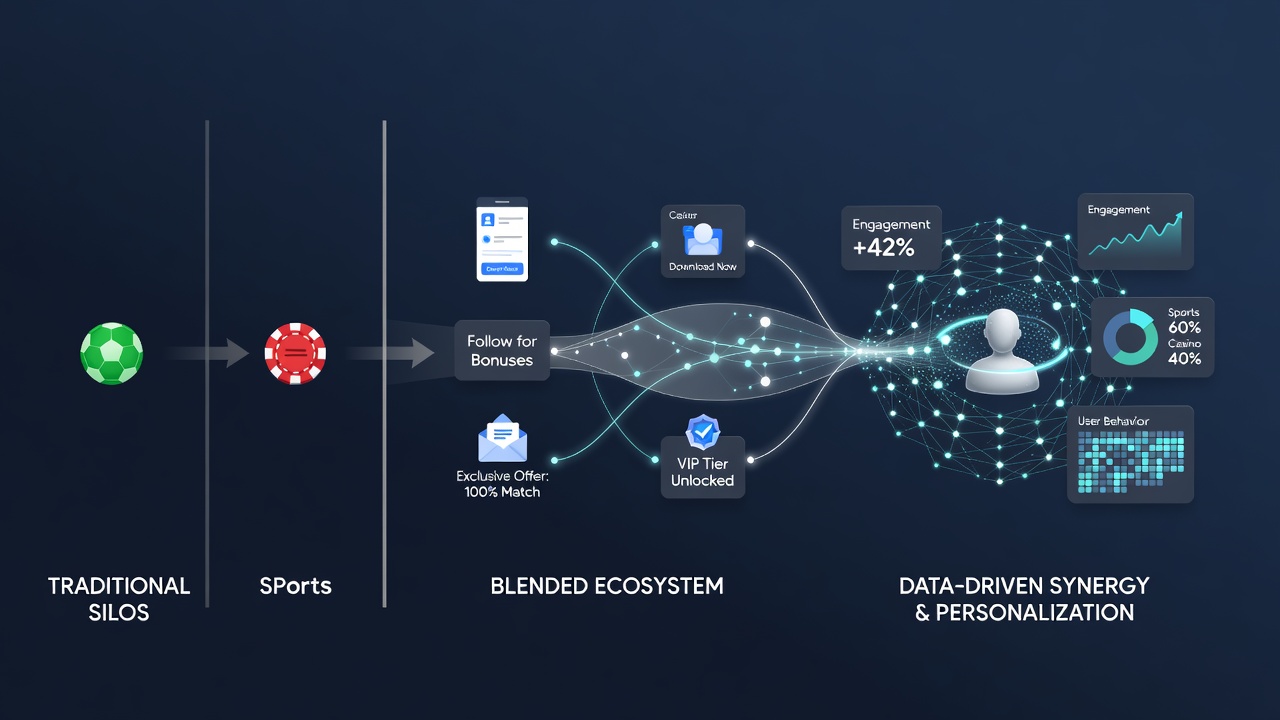
Progressive reward structures further tie acquisition to ongoing activity, and many programs now award tier points that accumulate from both sports wagers and casino play. This unified progression replaced earlier models that treated the verticals as isolated silos, and observers note the change encourages users to explore additional features once they enter through one channel. Industry reports show average lifetime value increased when acquisition campaigns emphasized these connected pathways rather than standalone promotions.
Regulatory and Market Influences on Strategy
Changes in licensing frameworks across North America and Europe encouraged operators to refine acquisition tactics for multi-product platforms, and several jurisdictions updated compliance requirements in early 2026 to address bundled offerings. The Australian Gambling Research Centre tracked a 15 percent rise in cross-promotional disclosures after regulators mandated clearer separation between sports and casino incentives, forcing companies to develop acquisition language that remains compliant while still highlighting integrated benefits.
Regional variations persist, yet common patterns appear where markets permit blended operations. In these locations operators test acquisition sequences that begin with sports-focused creatives but transition users toward casino features once initial engagement metrics are met. Such sequences rely on A/B testing frameworks that measure conversion at each step, and findings from multiple operators indicate higher completion rates when payment flexibility appears early in the sequence.
Conclusion
Player acquisition in blended sports and casino environments continues to evolve through integrated data use, unified payments, and progressive rewards that span both verticals. Reports through July 2026 document measurable gains in registration volume and early retention when operators align tactics with these platform capabilities, and the patterns suggest further refinement as mobile usage and regulatory oversight develop in parallel.