Mapping the Connections Between Diverse Funding Options and Progressive Reward Systems in Portable Gaming Applications Featuring Slots, Live Tables, and Athletic Predictions
Otto Brooks · May 22, 2026
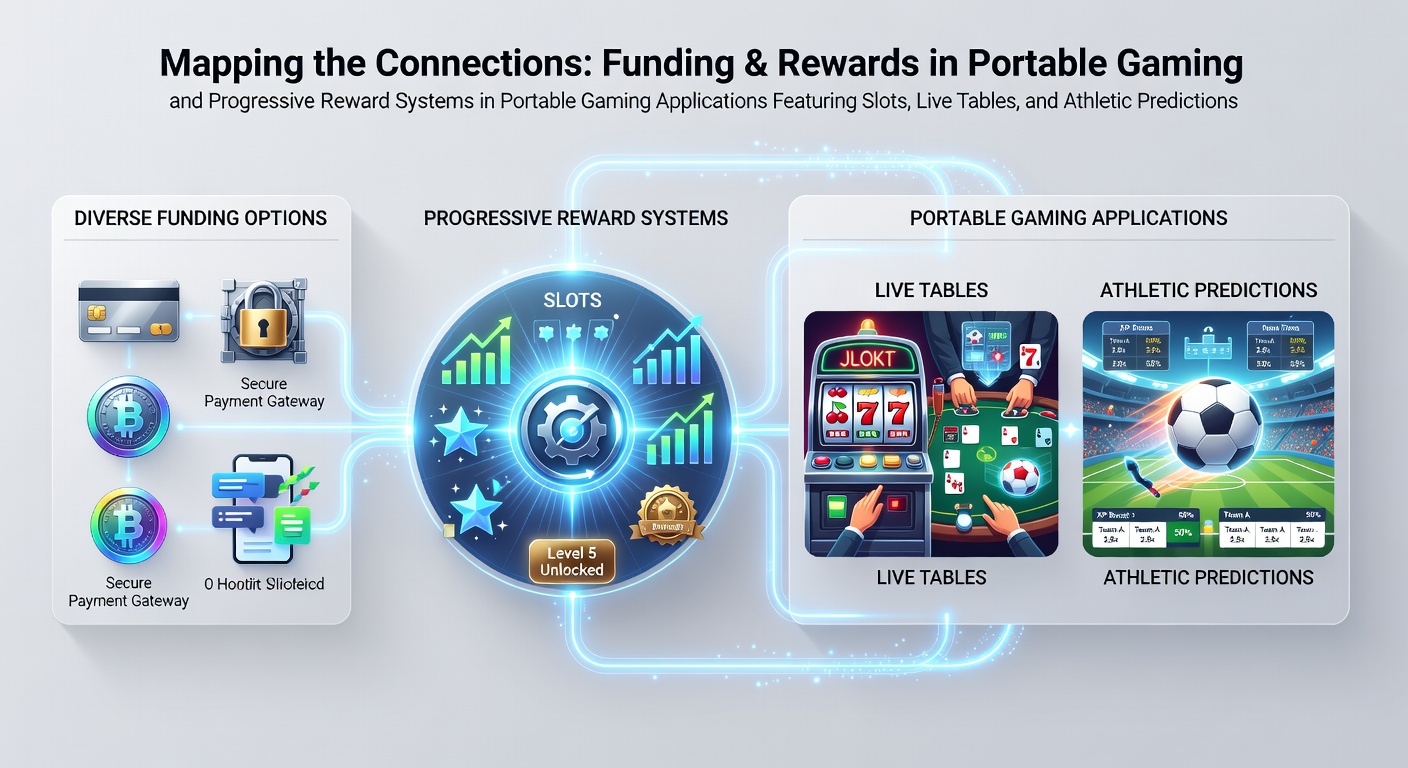
Mapping the Connections Between Diverse Funding Options and Progressive Reward Systems in Portable Gaming Applications Featuring Slots, Live Tables, and Athletic Predictions
Portable gaming applications continue to expand their reach by linking varied funding mechanisms directly to structured reward pathways that evolve as users engage with slots, live dealer tables, and athletic prediction modules. These connections shape how initial deposits translate into ongoing incentives, creating systems where transaction choices influence access to free spins, table privileges, and betting credits.
Funding Mechanisms and Their Integration Points
Users select from credit cards, digital wallets, bank transfers, and cryptocurrency options when loading funds into mobile platforms, and each choice triggers specific reward triggers at the entry level. Credit card deposits often activate immediate match bonuses that scale with volume, while e-wallet transactions route users toward quicker processing tiers that unlock additional spins on slot titles. Cryptocurrency pathways, meanwhile, feed into loyalty multipliers that accumulate faster because of reduced processing overheads reported across multiple operator dashboards.
Data from regulatory filings shows transaction speed correlates with reward progression rates, particularly when platforms update their ledgers in real time. Observers note that platforms operating in jurisdictions with streamlined licensing, such as those overseen by the New Jersey Division of Gaming Enforcement, demonstrate clearer mappings between deposit types and reward eligibility windows.
Progressive Reward Structures Across Game Types
Reward systems advance through defined tiers that respond to cumulative activity rather than isolated sessions. Slots contribute through spin volume and bet sizing, live tables add layers via session duration and stake levels, and athletic predictions feed in through prediction accuracy streaks that convert into bonus credits. The architecture ensures that funding method history travels with the user account, so a cryptocurrency deposit made early in the cycle continues to influence multiplier rates even when the player switches to live table play later.
Studies compiled by the Australian Institute of Criminology indicate that integrated reward engines track payment source metadata to adjust bonus release schedules, preventing overlap while maintaining steady engagement across verticals. This approach produces measurable differences in retention curves between users who rely on single funding sources and those who rotate methods.
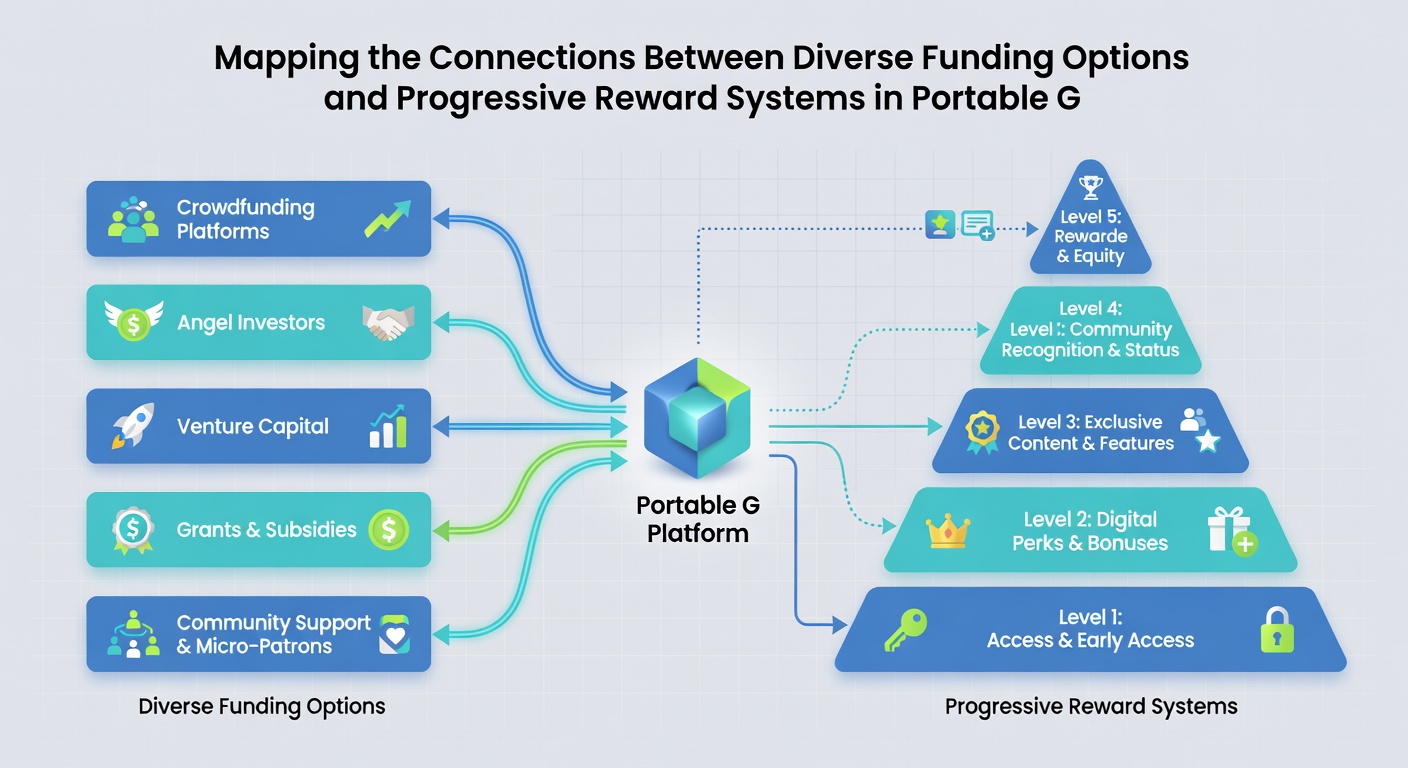
Cross-Vertical Linkages in Mobile Environments
Live table privileges often require minimum funding thresholds met through preferred channels, after which players gain access to private rooms or reduced rake structures. Athletic prediction modules inherit some of these same thresholds yet apply them to odds boosts and parlay insurance features. Slots remain the most flexible entry point because their reward triggers activate with smaller, more frequent deposits regardless of source.
Platforms update these linkages regularly, and industry reports from the European Gaming and Betting Association document how May 2026 regulatory adjustments in several markets prompted operators to standardize reward accrual formulas across all three categories. The adjustments clarified how prior payment history affects new tier unlocks, reducing friction when users move between slot reels, dealer tables, and prediction markets within the same session.
Measurement and Adjustment Patterns
Operators monitor key metrics such as deposit-to-reward conversion ratios and time-to-next-tier intervals to refine connections. When cryptocurrency volumes rise, platforms frequently expand associated multipliers to maintain balance with traditional methods. Conversely, when regulatory caps limit certain card transactions, reward engines shift emphasis toward wallet-based incentives that still satisfy compliance rules.
Research published through academic partnerships reveals that these adjustments produce consistent engagement lifts when communicated transparently through in-app notifications. Users who receive clear mapping explanations about how their chosen funding route affects upcoming rewards show higher completion rates for tier requirements across slots, live tables, and athletic predictions.
Conclusion
The architecture linking diverse funding options to progressive rewards in mobile gaming continues to mature through iterative updates that respond to both user behavior and regulatory signals. Clear documentation of these pathways helps maintain consistent progression whether players focus on slots, live tables, or athletic predictions. Continued monitoring of transaction patterns and reward delivery will determine how these systems evolve beyond current implementations.