How Varied Transaction Choices Influence Loyalty Progression in Applications Combining Mechanical Reels, Dealer Interactions, and Athletic Bets
Yara Albrecht · Aug 5, 2026
How Varied Transaction Choices Influence Loyalty Progression in Applications Combining Mechanical Reels, Dealer Interactions, and Athletic Bets
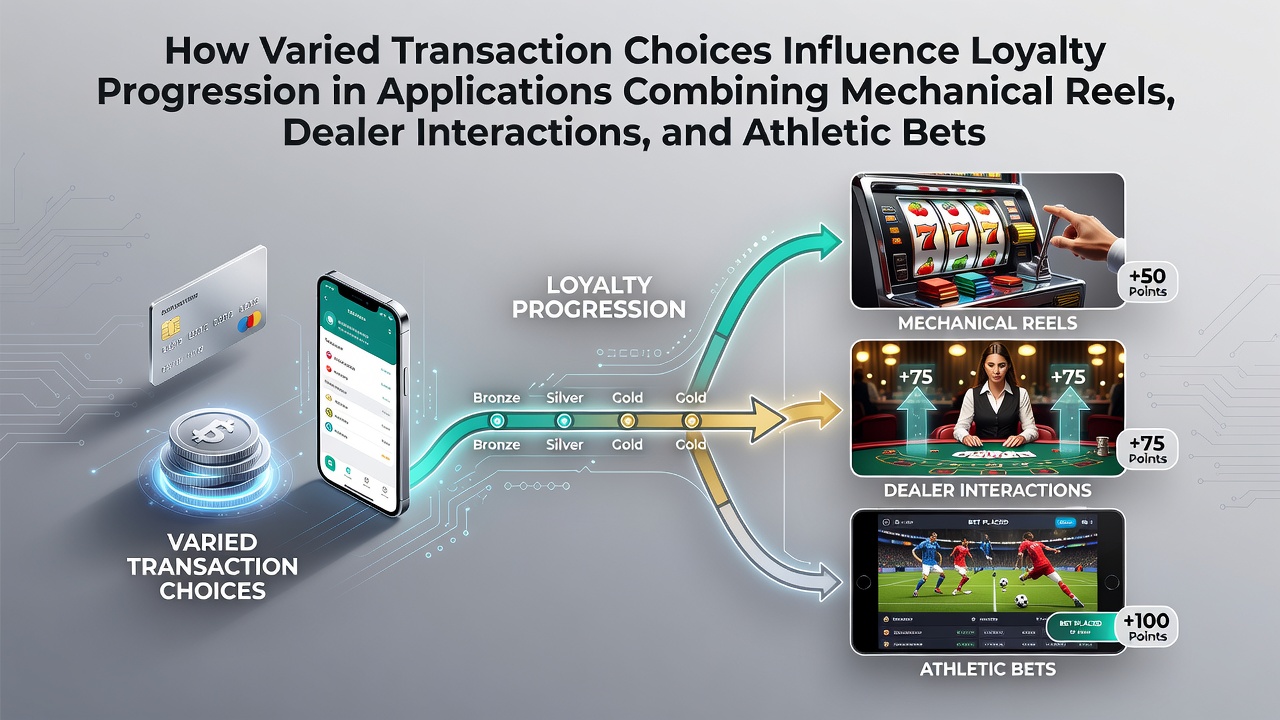
Integrated mobile applications that merge mechanical reels, live dealer tables, and sports wagering features have expanded their payment ecosystems over recent years, and transaction options now play a direct role in how users advance through loyalty structures. Data from platform analytics indicates that users who select instant or low-fee methods complete more qualifying wagers and deposits, which accelerates tier progression in reward programs that track activity across all three game formats.
Transaction Methods and Their Reach Across Game Formats
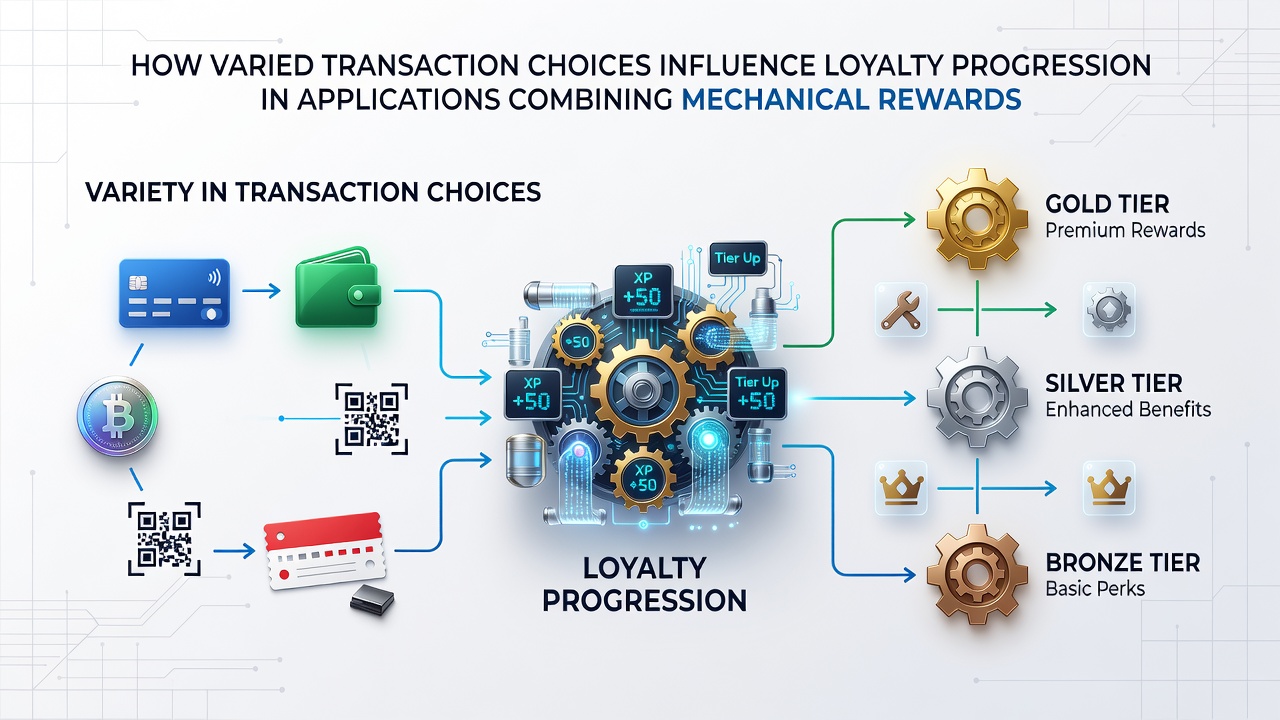
Applications combine credit and debit cards, e-wallets, bank transfers, and cryptocurrencies to handle deposits and withdrawals, while loyalty systems award points based on wager volume, deposit frequency, and retention metrics. Observers note that credit card users often experience processing delays that interrupt session continuity, whereas e-wallet and crypto options reduce friction and allow immediate return to mechanical reels or live dealer sessions. Research compiled by the American Gaming Association shows that platforms offering multiple instant options record higher average session lengths when users switch between sports odds and table games without repeated verification steps.
Effects on Slot-Based Loyalty Accumulation
Mechanical reel games contribute the bulk of wager volume in many hybrid applications, and transaction speed directly affects how quickly players accumulate the spins or bets required for tier advancement. Users who rely on cryptocurrency deposits frequently trigger bonus multipliers tied to loyalty levels because those methods clear in seconds rather than hours, enabling repeated play cycles within the same day. Figures released by the New Jersey Division of Gaming Enforcement for the first half of 2026 reveal that platforms with diversified funding recorded a measurable uptick in slot-related loyalty redemptions when crypto and e-wallet adoption rose among mobile users.
Live Dealer Integration and Payment Flexibility
Dealer-led tables require real-time funding for chip purchases and side bets, and applications that support instant bank transfers or stablecoin options allow players to maintain continuous participation without exiting the table interface. Loyalty programs in these environments often tie table game rake or commission to tier status, so uninterrupted access through flexible payments correlates with faster progression to higher reward brackets. One study tracking user behavior across multi-format apps found that participants using at least two distinct transaction types per month advanced an average of one tier faster than those limited to single-method funding.
Sports Betting Activity and Cross-Format Reward Pathways
Athletic event wagering introduces variable odds and event-driven timing that reward programs must accommodate alongside reel and table metrics, and payment choices influence how bettors fund pre-match or in-play wagers. Applications that permit rapid top-ups via digital wallets enable users to chase live odds without abandoning accumulated loyalty points from earlier slot or dealer sessions. As of August 2026, industry tracking data indicates that sports-focused users who combine instant payments with loyalty-linked deposit bonuses show elevated cross-format engagement, moving points earned from betting into table game privileges or reel free spins more readily than those facing slower settlement times.
Platform-Level Patterns and Retention Data
Hybrid loyalty structures typically calculate overall activity rather than isolating one game type, which means transaction versatility affects total point velocity across reels, tables, and bets. Applications that streamline verification for multiple methods reduce drop-off rates during the transition between game categories, according to aggregated user logs shared by several North American operators. Those who've examined retention curves report that users exploring varied funding routes encounter fewer barriers when converting loyalty points into rewards that span all three verticals, such as enhanced odds boosts usable on sports alongside table rake credits and reel multipliers.
Conclusion
Transaction diversity shapes loyalty advancement by altering the pace and continuity of engagement within applications that host mechanical reels, dealer interactions, and athletic bets. Available records from regulatory and industry sources confirm that instant and multi-option payment flows align with accelerated tier movement when users maintain activity across formats. The pattern holds as platforms continue refining their funding integrations through 2026 and beyond.