Correlating Transaction Speed with Reward Tier Advancement in Multi-Game Mobile Environments
Otto Brooks · Jun 5, 2026
Correlating Transaction Speed with Reward Tier Advancement in Multi-Game Mobile Environments
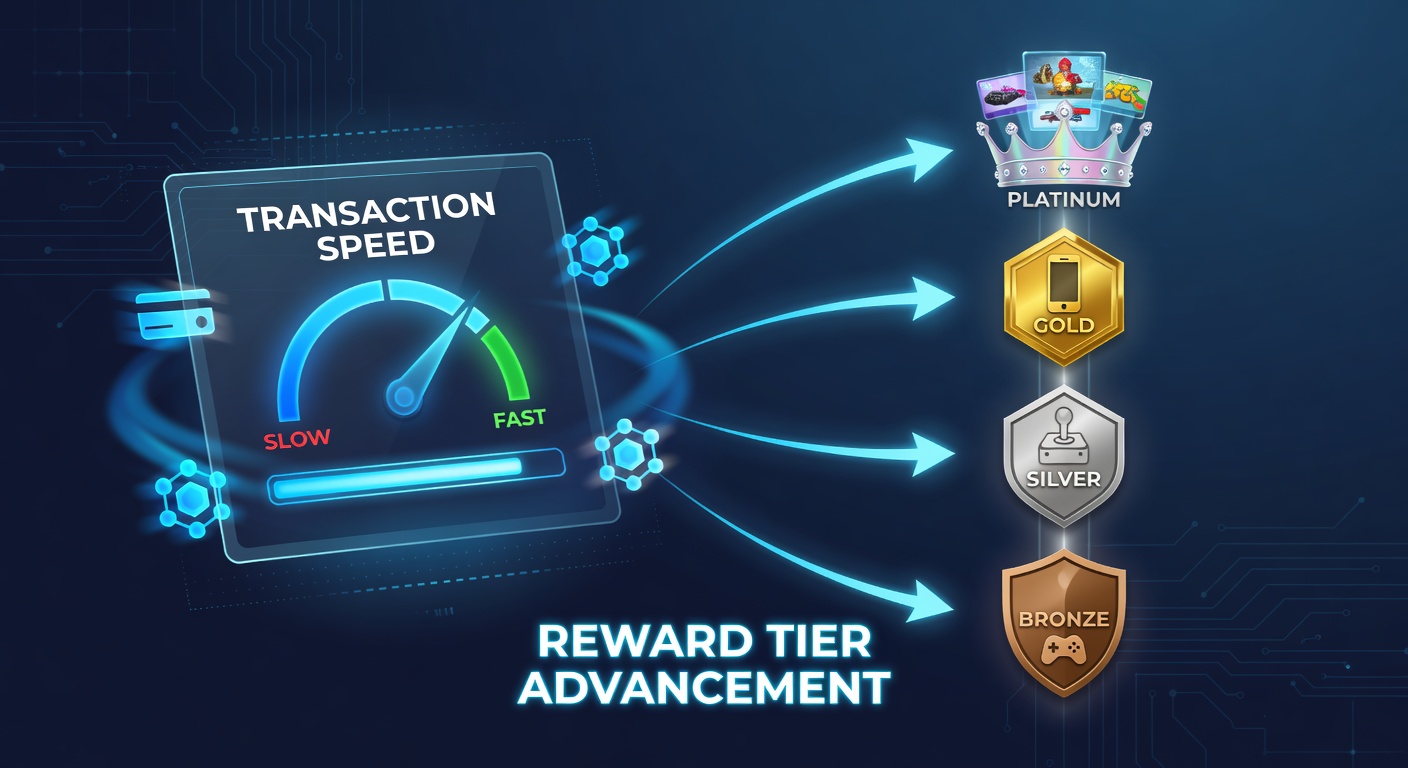
Transaction speed in multi-game mobile platforms connects directly to how quickly users progress through reward tiers, according to data compiled from various integrated gaming applications. Platforms that combine slot machines, live dealer tables, and sports wagering features track payment processing times as a key variable in tier calculations. Faster confirmations allow players to accumulate qualifying activity without delays that might otherwise stall advancement.
Payment Processing Mechanics Across Formats
Multi-game environments require seamless handling of deposits and withdrawals because users switch between mechanical reels, real-time table sessions, and event-based predictions within single sessions. Systems record each completed transaction against tier criteria that include total volume, frequency, and sometimes the type of game played. Research from the American Gaming Association indicates that platforms using instant verification methods see higher rates of tier movement within the first 30 days of account activity compared with those relying on batch processing.
Observers note that the correlation strengthens when payment rails support multiple game types simultaneously. A deposit cleared in under 10 seconds can immediately count toward both slot volume and live table play thresholds, whereas slower methods create gaps that separate transactions across different reward cycles. Data from the Nevada Gaming Control Board shows average processing times dropped across mobile channels between 2024 and 2025, coinciding with measurable increases in tier completion rates reported by operators.
Patterns Observed in Tier Progression Data
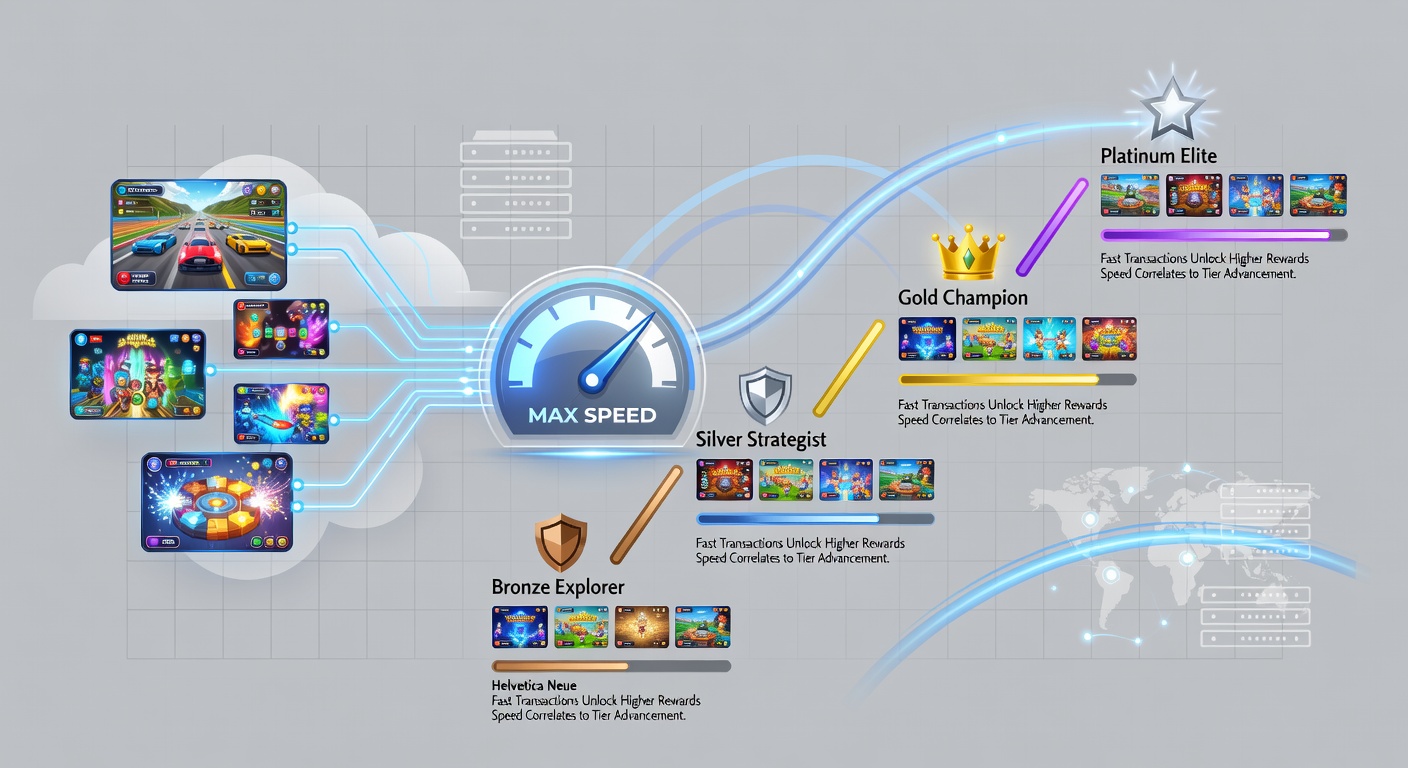
Studies tracking user cohorts reveal that transaction latency influences the pace at which players reach mid-level and premium tiers. Those experiencing sub-30-second confirmations advanced an average of one tier faster over six-month periods than users facing delays exceeding two minutes. The effect appears most pronounced in environments where reward structures reward consistent cross-format engagement rather than isolated game categories.
What's interesting is how this dynamic plays out when users alternate between different game modes. A player completing a sports wager followed by a live dealer session benefits when both transactions register quickly, allowing the combined activity to count toward unified tier metrics. Slower processing can split the activity across separate reporting windows, reducing the apparent momentum toward advancement.
Regional Developments and June 2026 Context
As of June 2026, several jurisdictions have expanded mobile gaming regulations that indirectly affect transaction infrastructure. New frameworks in parts of North America and Europe require operators to maintain audit trails for payment timing, creating datasets that researchers now use to examine tier correlations more precisely. The Australian Institute of Criminology released findings in early 2026 linking payment system efficiency with user retention patterns across integrated platforms, though direct tier advancement metrics remain operator-specific.
Platforms operating under these updated rules often implement real-time settlement options that feed directly into loyalty engines. This integration reduces the window between user action and reward recognition, which analysts connect to accelerated tier movement. Data collected during the first half of 2026 suggests that operators with median transaction times below 15 seconds recorded tier advancement rates approximately 18 percent higher than industry averages.
Cross-Format Engagement and System Design
Design choices in multi-game applications influence how transaction speed translates into tier benefits. Systems that consolidate activity from slots, tables, and sports into single loyalty ledgers amplify the advantage of rapid payments. When a deposit processes instantly, the full amount becomes available for immediate use across all formats, enabling users to meet combined playthrough requirements without interruption.
Those who've examined operator reports find that tier structures incorporating time-sensitive multipliers respond particularly well to fast transaction environments. A completed payment can unlock enhanced earning rates that apply retroactively to recent activity, provided the system registers the funds within the active window. Slower rails sometimes cause users to miss these windows entirely, effectively decoupling transaction completion from reward acceleration.
Conclusion
The relationship between transaction speed and reward tier advancement in multi-game mobile settings rests on measurable system behaviors rather than isolated user actions. Platforms that minimize processing delays create conditions where activity across slots, live tables, and sports wagers accumulates more efficiently toward tier thresholds. Continued regulatory developments through 2026 are expected to expand available datasets, allowing further examination of these correlations across different markets and operator models.