Adaptive Funding Choices Shaping Loyalty Pathways Across Integrated Mobile Platforms for Table Play and Event Wagering
Yara Albrecht · May 27, 2026
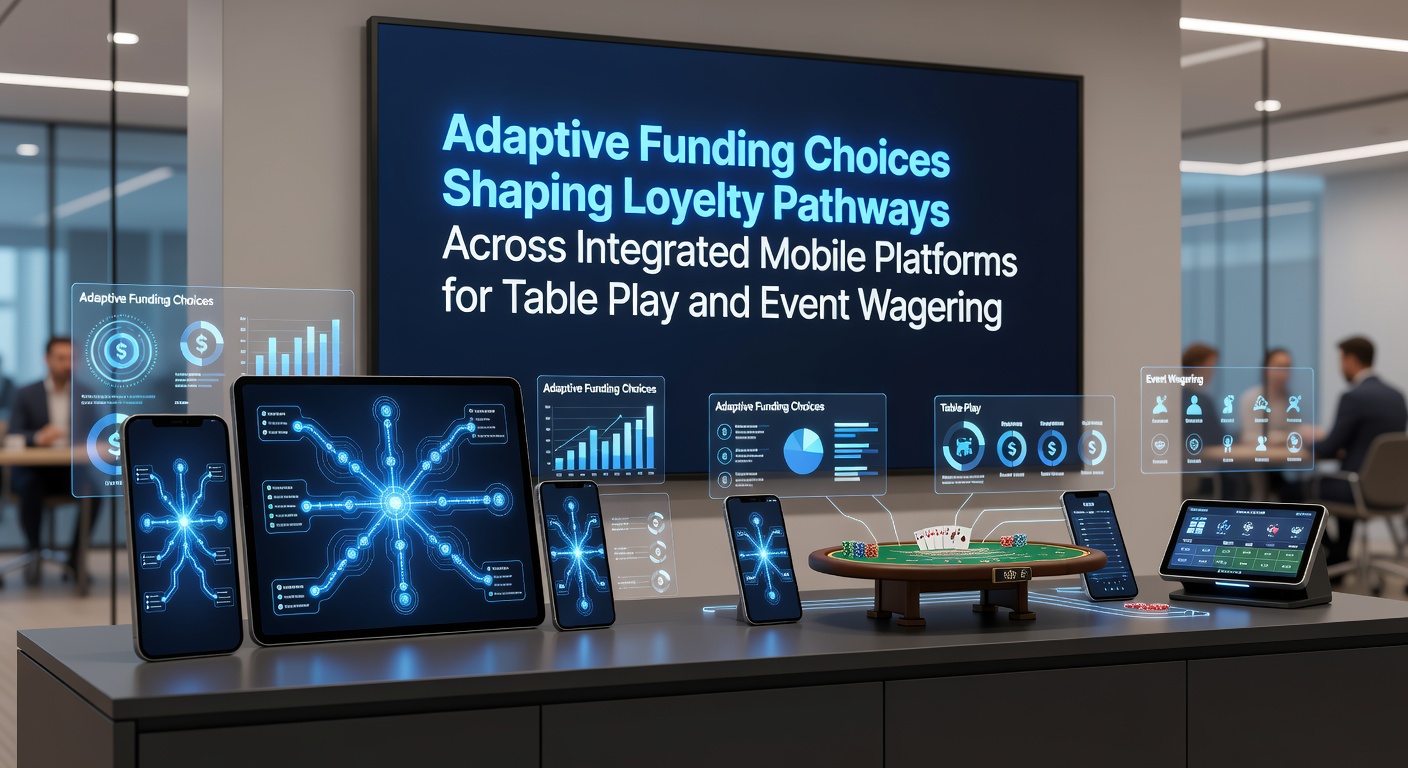
Adaptive Funding Choices Shaping Loyalty Pathways Across Integrated Mobile Platforms for Table Play and Event Wagering
Payment methods in mobile gaming applications now determine how players accumulate rewards across table games and live event wagering, and operators track these patterns through unified loyalty engines that adjust point values based on transaction type and frequency. Data from the New Jersey Division of Gaming Enforcement shows mobile handle for combined casino and sports products grew steadily into 2025, while funding source diversity expanded through bank transfers, digital wallets, and prepaid cards.
Payment Options and Their Direct Influence on Reward Accumulation
Users who fund accounts via instant bank transfers often receive accelerated point multipliers on table play sessions, whereas those opting for card-based deposits see standard rates applied to both blackjack sessions and live sports wagers; this differentiation appears in platform rules that operators update quarterly. Observers note that e-wallet transactions frequently trigger bonus loyalty tiers when users complete same-day transfers into event wagering sections, creating pathways that link initial deposits to higher-status benefits like exclusive table limits and enhanced odds visibility.
Take one major platform operator who adjusted its system in early 2026 so that cryptocurrency deposits automatically route a portion of each wager into a separate loyalty pool reserved for high-volume table participants, and researchers documented corresponding increases in session length among those users. The mechanism works because the platform records each funding event as a weighted input that feeds into the overall reward algorithm, allowing seamless movement between slots, live dealer tables, and sports event markets without resetting progress.
Cross-Platform Integration and Loyalty Engine Mechanics
Integrated mobile systems connect table play interfaces directly to event wagering dashboards, and loyalty calculations run continuously as players switch between these sections using the same funded balance. According to a 2025 industry report from the Canadian Gaming Association, operators that enabled real-time syncing across funding sources recorded higher retention rates among users who moved between blackjack tables and in-play sports markets within single sessions.

But here's the thing: the algorithms assign different coefficients to each payment method, so a prepaid card deposit might contribute fewer base points than a verified bank transfer when applied to live roulette, yet the same deposit could unlock additional multipliers once the user places a qualifying sports wager above a set threshold. Platforms released updates in May 2026 that refined these coefficients after testing showed improved balance between table-focused and event-focused user segments.
Regulatory Context and Platform Adjustments Through Mid-2026
State-level frameworks in multiple U.S. jurisdictions require clear disclosure of how deposit methods affect reward eligibility, and operators responded by embedding explanatory overlays within mobile apps during the first half of 2026. Figures from the Malta Gaming Authority indicate that European-facing platforms adopted similar transparency measures earlier, resulting in standardized reporting on loyalty point origins tied to specific transaction categories. Those adjustments allow users to view projected reward outcomes before completing a deposit, whether the intended activity centers on table play or live event markets.
One documented case involved an operator that linked verified digital wallet usage to progressive loyalty ladders spanning multiple game types, and subsequent analytics revealed sustained engagement across both table sessions and sports predictions. The connection operates through automated tagging of each transaction at the point of deposit, feeding data into a central engine that recalculates tier status after every qualifying wager.
Future Pathways Emerging from Current Integration Trends
Developments scheduled for rollout after May 2026 include expanded support for region-specific payment rails that automatically align with local loyalty regulations, and early testing indicates these will further differentiate reward rates between table and event wagering activities. Researchers at the University of Nevada, Las Vegas have tracked similar patterns in pilot programs, noting that adaptive funding structures encourage users to explore integrated features rather than remain in single-product silos.
The result appears in loyalty dashboards that display unified progress bars reflecting contributions from every supported funding source and game category, allowing players to plan deposits strategically across table play and sports event participation.
Conclusion
Adaptive funding choices continue to define how loyalty pathways develop inside mobile platforms that combine table games with event wagering, and operators refine these systems through ongoing data analysis and regulatory compliance updates. The structures in place as of mid-2026 demonstrate measurable connections between transaction methods and reward progression, shaping user movement across integrated environments without requiring separate accounts or manual transfers.